Off to College!
nbrogan • October 5, 2017

Off to College!

The dog days of summer have passed and we savor the drop in the humidity that marks Florida’s fall season. After sending off my youngest to college recently, it is now time to send off the first care package to the dorm! What goes in the box?

Well, there’s the charger cord that got left behind and the backpack that arrived a few days late. And, of course, a few health-related items that may not be the first thing she wants, but will definitely need in the coming months! As everyone knows, living in a dorm is like being in daycare: being in such close quarters, you can bet a “bug” will get passed around to whomever is susceptible.

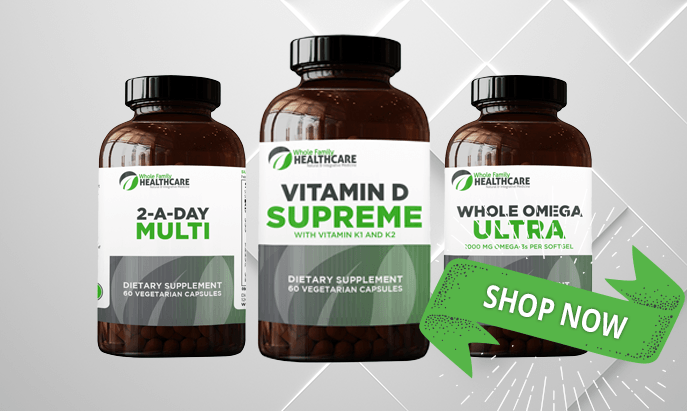
Trying to keep my cub healthy is this mama bear’s concern. I put in a box of Whole Probiotic DF , good for both the immune system and a teenager’s acne-prone skin. Next, a small container of Vitamin C Supreme with a sticky note to tell her to put it into her water bottle (the less pills she has to remember, the easier it is for everyone!). A bottle of Vitamin D Supreme with a reminder to take this regularly, especially during those cold winter months when most of their time is spent indoors. Then, a bottle of Immune Supreme as a backup “go to” for immune support. Of course, a bag of dark chocolate squares and a picture of the two dogs top it all off with a handwritten note from home about how much we miss her! Can’t wait to see her for Parents’ Weekend!

Patricia Ilagan, MD

August 4, 2026
Food is meant to nourish, energize, and protect our bodies. Yet for many people, eating has become increasingly associated with fatigue, digestive discomfort, inflammation, weight gain, and chronic disease. While no single food is responsible for every health issue, many experts agree that the modern food environment plays a significant role in our overall well-being. So, is our food making us ill? The answer isn't as simple as yes or no—but what we eat, how it's produced, and how often we consume highly processed foods can have a profound impact on our health. The Rise of Chronic Disease Over the past several decades, rates of obesity, type 2 diabetes, heart disease, and certain autoimmune and inflammatory conditions have increased dramatically. While genetics, physical activity, stress, sleep, and environmental factors all contribute, diet is one of the most important—and modifiable—pieces of the puzzle. Many modern diets are high in calories but low in essential nutrients, leaving people overfed yet undernourished. The Problem with Ultra-Processed Foods Ultra-processed foods are products that have been heavily altered from their original form and often contain added sugars, refined grains, unhealthy fats, artificial flavors, preservatives, and other additives. Examples include sugary breakfast cereals, packaged snack foods, fast food, processed meats, and many frozen convenience meals. These foods are designed to be convenient and appealing, but eating them frequently has been associated with an increased risk of: Obesity Type 2 diabetes Cardiovascular disease High blood pressure Certain cancers Poor gut health While enjoying processed foods occasionally is part of many healthy diets, relying on them as dietary staples can make it more difficult to meet your body's nutritional needs. Hidden Sugar Is Everywhere Many people know to limit desserts and soft drinks, but added sugars also appear in foods that don't taste particularly sweet, including salad dressings, sauces, flavored yogurts, breads, and packaged snacks. Consistently consuming high amounts of added sugar may contribute to: Blood sugar spikes and crashes Increased hunger and cravings Weight gain Fatty liver disease Increased inflammation Greater risk of type 2 diabetes Reading nutrition labels can help you identify hidden sources of added sugar and make more informed choices. Are Food Additives a Concern? Food additives serve many purposes, from preserving freshness to improving texture and flavor. Many approved additives have been evaluated for safety when consumed within established limits. However, researchers continue to study how some additives may affect certain individuals, particularly in relation to gut health, food sensitivities, or long-term health outcomes. For some people, reducing highly processed foods and choosing minimally processed alternatives may improve digestive symptoms or overall well-being, though responses vary from person to person. The Gut-Health Connection Your digestive tract is home to trillions of bacteria that help digest food, produce certain vitamins, support your immune system, and influence overall health. A diet rich in fruits, vegetables, legumes, whole grains, nuts, seeds, and fermented foods can support a diverse and healthy gut microbiome. In contrast, diets consistently high in ultra-processed foods and low in fiber may negatively affect the balance of gut bacteria. While research in this area is ongoing, maintaining a healthy gut is increasingly recognized as an important part of overall wellness. Nutrient Quality Matters Not all calories are created equal. A meal of vegetables, lean protein, healthy fats, and whole grains provides vitamins, minerals, fiber, and antioxidants that support your body's normal functions. By comparison, foods high in added sugars and refined carbohydrates may provide energy but relatively few essential nutrients. Choosing nutrient-dense foods more often can support: Steadier energy levels Better immune function Healthy digestion Heart health Weight management Overall well-being Small Changes Can Make a Big Difference Improving your diet doesn't require perfection. Sustainable habits often have the greatest long-term impact. Consider these simple strategies: Fill half your plate with fruits and vegetables. Choose whole grains instead of refined grains when possible. Include lean proteins and healthy fats at meals. Read ingredient lists and nutrition labels. Drink water instead of sugar-sweetened beverages more often. Prepare more meals at home using fresh ingredients. Enjoy highly processed foods in moderation rather than as everyday staples. Small, consistent choices can add up over time. A Balanced Perspective It's important to avoid thinking of foods as strictly "good" or "bad." Health is influenced by your overall eating pattern, physical activity, sleep, stress management, genetics, and access to nutritious foods—not by a single meal or ingredient. Rather than striving for a perfect diet, focus on building balanced habits that are realistic and sustainable for your lifestyle. Nourish Your Body for Better Health Our food choices matter, but they are just one part of a much larger picture. By emphasizing whole, nutrient-rich foods and limiting ultra-processed options when possible, you can support your body's natural ability to function at its best. If you're struggling with digestive issues, inflammation, fatigue, or other nutrition-related concerns, speaking with a healthcare professional or registered dietitian can help you identify dietary changes that fit your individual needs and health goals. Remember, every healthy meal is an opportunity to invest in your long-term well-being. So, if you would like to learn more about how to achieve your health goals with better nutrition, call Whole Family Healthcare at 407-644-2990 and schedule a consultation today!
July 15, 2026
When most people think of acupuncture, they often picture treatments designed to relieve pain, reduce stress, or support overall wellness. However, acupuncture has also gained popularity in the world of beauty and skincare through a treatment known as cosmetic acupuncture or facial acupuncture . Cosmetic acupuncture is a natural, non-surgical approach that focuses on improving the appearance of the skin while supporting overall wellness. By using very fine needles placed at specific points on the face and body, this treatment aims to encourage circulation, stimulate the skin, and promote a healthier, more refreshed appearance. If you are looking for an alternative to invasive cosmetic procedures, cosmetic acupuncture may be an option worth exploring. What Is Cosmetic Acupuncture? Cosmetic acupuncture is a specialized form of traditional acupuncture that focuses on facial rejuvenation and skin health. During treatment, an experienced practitioner inserts ultra-thin needles into targeted areas of the face and body. Unlike cosmetic procedures that involve injections, surgery, or fillers, cosmetic acupuncture works by stimulating the body’s natural processes. The goal is to support collagen production, improve circulation, and enhance the overall appearance of the skin. A typical session may involve: A consultation to discuss your skin concerns and goals Facial acupuncture using fine needles placed in specific areas Body acupuncture points that support overall balance and wellness Additional skincare techniques depending on your treatment plan Cosmetic acupuncture is often chosen by people who want a more natural approach to maintaining youthful-looking skin. How Does Cosmetic Acupuncture Work? As we age, several changes naturally occur in our skin. Collagen and elastin production decrease, circulation may slow, and the skin can lose some of its firmness and radiance. Cosmetic acupuncture is designed to stimulate the skin by creating tiny, controlled micro-injuries with acupuncture needles. This process may encourage the body’s natural healing response, which can support skin renewal. Improved circulation may also help deliver oxygen and nutrients to skin cells, contributing to a healthier complexion. Many practitioners believe that facial acupuncture works from both the inside and outside by addressing skin concerns while also supporting relaxation and overall well-being. Benefits of Cosmetic Acupuncture While results can vary from person to person, many people choose cosmetic acupuncture for its potential skin and wellness benefits. May Improve Skin Tone and Radiance One of the most common reasons people try cosmetic acupuncture is to achieve a brighter, healthier-looking complexion. By encouraging circulation and stimulating the skin, cosmetic acupuncture may help improve dullness and promote a more refreshed appearance. Many patients describe their skin as looking: More vibrant Healthier More refreshed Naturally glowing May Reduce the Appearance of Fine Lines Cosmetic acupuncture is often used as part of an anti-aging skincare routine. The stimulation created during treatment may support collagen activity, which plays an important role in maintaining skin firmness and elasticity. Over time, this may help soften the appearance of fine lines and improve overall skin texture. Supports Firmer-Looking Skin Loss of collagen and elasticity can contribute to changes in facial appearance as we age. Cosmetic acupuncture may help stimulate the skin’s natural repair processes, supporting a firmer and more toned appearance. It is often used around areas where people commonly notice signs of aging, including: Forehead lines Crow’s feet Smile lines Jawline and cheek areas May Reduce Facial Tension Stress and muscle tension can contribute to a tired appearance. Many people hold tension in areas such as the jaw, forehead, and around the eyes. Cosmetic acupuncture may help promote relaxation by targeting areas of facial tension. Some patients report feeling more relaxed and refreshed after their treatments. Non-Surgical and Minimally Invasive One of the biggest appeals of cosmetic acupuncture is that it does not require surgery, injections, or downtime. Compared with more invasive cosmetic treatments, acupuncture offers a gentle approach that may appeal to individuals who want subtle, natural-looking improvements. Most people can return to normal activities after treatment, although some temporary redness, sensitivity, or small marks at needle sites may occur. Supports Overall Wellness Traditional acupuncture is based on the idea that supporting overall balance can positively affect health and appearance. Many people enjoy cosmetic acupuncture not only for skin benefits but also for its relaxing effects. Some patients report improvements in: Stress levels Relaxation Sleep quality Overall sense of well-being How Many Cosmetic Acupuncture Treatments Are Needed? The number of treatments needed depends on your goals, skin concerns, and individual response. Some people notice changes after a few sessions, while others choose a longer treatment plan to support ongoing skin health. Many practitioners recommend a series of treatments followed by maintenance sessions. During an initial consultation, your provider can discuss what to expect and create a personalized plan based on your needs. Is Cosmetic Acupuncture Safe? When performed by a trained and qualified acupuncture professional, cosmetic acupuncture is generally considered safe for many individuals. Because treatment involves needles, it is important to choose an experienced provider who follows proper sterilization and safety practices. Before beginning treatment, discuss your health history, medications, and any concerns with your practitioner. Cosmetic acupuncture may not be appropriate for everyone, including certain individuals with specific medical conditions or skin concerns. How Is Cosmetic Acupuncture Different From Botox or Fillers? Cosmetic acupuncture and injectable treatments work in different ways. Botox temporarily relaxes certain facial muscles to reduce the appearance of wrinkles caused by movement. Dermal fillers add volume beneath the skin to restore fullness or enhance facial contours. Cosmetic acupuncture focuses on stimulating the body’s natural processes and improving the overall appearance of the skin without adding substances beneath the skin. Some people choose cosmetic acupuncture because they prefer a more natural, gradual approach, while others may combine different treatments as part of a comprehensive skincare plan. Is Cosmetic Acupuncture Right for You? Cosmetic acupuncture may be a good option if you are interested in: A natural approach to skin rejuvenation Improving skin tone and texture Supporting a youthful appearance Reducing facial tension A non-surgical beauty treatment However, expectations are important. Cosmetic acupuncture is not designed to create dramatic changes like surgical procedures or injectable treatments. Instead, many people choose it for subtle improvements and a refreshed, healthy appearance. Cosmetic acupuncture offers a unique approach to skincare by combining traditional acupuncture techniques with modern beauty goals. By supporting circulation, encouraging the body’s natural healing response, and promoting relaxation, it may help improve the appearance of the skin while enhancing overall wellness. If you are interested in exploring cosmetic acupuncture, call Whole Family Healthcare at 407-644-2990 and consult with a qualified practitioner who can evaluate your goals and recommend a treatment approach tailored to your needs.
May 30, 2026
Many women notice that maintaining their weight becomes more challenging during menopause. Even if your diet and exercise habits haven't changed, the number on the scale may start creeping upward. While menopausal weight gain is common, it is not inevitable. Understanding why it happens and taking a proactive approach can help you maintain a healthy weight and feel your best during this transition. Why Does Weight Gain Happen During Menopause? Several factors contribute to weight gain during menopause: Hormonal Changes As estrogen levels decline, the body tends to store more fat around the abdomen rather than the hips and thighs. This shift in fat distribution can make weight gain more noticeable, even when total body weight changes only slightly. Slower Metabolism Metabolism naturally slows with age, meaning your body burns fewer calories at rest than it did in your younger years. This makes it easier to gain weight and harder to lose it. Loss of Muscle Mass Women lose muscle mass as they age, especially if they are not engaging in regular strength training. Since muscle burns more calories than fat, losing muscle can further reduce metabolism. Sleep Disturbances Hot flashes, night sweats, and insomnia can interfere with sleep quality. Poor sleep has been linked to increased hunger, food cravings, and weight gain. Strategies to Prevent Menopausal Weight Gain Prioritize Protein Protein helps preserve lean muscle mass, supports metabolism, and promotes feelings of fullness. Aim to include a source of protein with every meal and snack. Good options include: Fish Chicken and turkey Eggs Greek yogurt Beans and lentils Tofu Strength Train Regularly Resistance training is one of the most effective ways to maintain muscle mass and support a healthy metabolism. Even two to three sessions per week can make a significant difference. Examples include: Free weights Resistance bands Bodyweight exercises Strength-training machines Stay Physically Active In addition to strength training, regular cardiovascular exercise helps burn calories and supports heart health. Walking, cycling, swimming, and dancing are excellent choices. Aim for at least 150 minutes of moderate physical activity each week. Focus on Whole Foods A diet rich in nutrient-dense foods can help manage hunger and support overall health. Choose more: Vegetables Fruits Whole grains Lean proteins Healthy fats Limit: Sugary beverages Processed snacks Excess alcohol Highly refined carbohydrates Improve Sleep Quality Getting adequate sleep can help regulate hormones that influence appetite and metabolism. To improve sleep: Maintain a consistent bedtime Limit caffeine later in the day Keep your bedroom cool and comfortable Avoid screens before bedtime Manage Stress Chronic stress can increase cortisol levels, which may contribute to abdominal weight gain and cravings for high-calorie foods. Helpful stress-management techniques include: Meditation Yoga Deep breathing exercises Spending time outdoors Regular physical activity When Lifestyle Changes Aren't Enough For some women, menopause-related weight gain can be particularly difficult to manage despite healthy habits. Medical evaluation may help identify contributing factors such as thyroid disorders, insulin resistance, sleep disorders, or other hormonal changes. In certain cases, medically supervised weight management programs, nutrition counseling, hormone therapy, or weight-loss medications may be appropriate options. The Bottom Line Menopause can make weight management more challenging, but it doesn't have to define your health or confidence. By focusing on nutrition, strength training, sleep, stress management, and regular physical activity, many women can successfully maintain a healthy weight throughout menopause and beyond. If you're struggling with menopausal weight gain, speaking with a healthcare provider can help you develop a personalized plan that fits your goals, lifestyle, and overall health. Come see us at Whole Family Healthcare where we have physician-supervised weight loss programs that are comprehensive and individualized to your specific needs. Call us at 407-644-2990 and set up your consultation today!
May 12, 2026
For residents of Winter Park and the surrounding Greater Orlando area, "pollen season" isn't merely a date on the calendar—it is a perennial challenge. While much of the country enjoys a distinct break from allergens during the winter months, Florida’s subtropical climate ensures that oak, pine, and grass pollens remain in a constant, overlapping cycle. For the health-conscious suburban family, the traditional approach to managing these symptoms often feels like a compromise. Many find themselves reliant on over-the-counter antihistamines that cause brain fog, or corticosteroid nasal sprays that offer only temporary relief without addressing the underlying immune dysregulation. The Floridian Allergy Profile: A Unique Environmental Challenge In Central Florida, the high humidity levels and year-round growing season create a "perfect storm" for respiratory sensitivities. When local oak trees begin their heavy dusting in the spring, followed by persistent summer grasses and fall ragweed, the immune system remains in a state of chronic hyper-vigilance. This constant bombardment leads to more than just a runny nose; it results in systemic inflammation, sleep disruption, and decreased productivity. For the high-performing professional or the active family, these "minor" symptoms represent a significant barrier to maintaining an optimized lifestyle. Integrating acupuncture for allergies provides a shift in strategy. Rather than simply masking the reaction, acupuncture works to recalibrate the body’s inflammatory response to these environmental triggers. How Acupuncture Functions as a Natural Regulatory System A common misconception is that acupuncture is merely a holistic relaxation technique. In a clinical setting, however, acupuncture acts as a sophisticated neuromodulation tool. By stimulating specific neurovascular points, practitioners can influence the autonomic nervous system and the body’s cytokine production. 1. Calming the Histamine Response - When the body encounters pollen, it perceives the harmless substance as a threat, triggering the release of histamines. This leads to the classic itching, swelling, and congestion. Acupuncture has been shown to help modulate the Immunoglobulin E (IgE) response—the antibody responsible for allergic reactions—effectively acting as a biological regulator. 2. Reducing Localized Inflammation - Inflammation in the sinus cavities and upper respiratory tract is often the most debilitating aspect of Florida’s allergy season. Acupuncture promotes micro-circulation, which helps the body flush out inflammatory mediators and reduces the swelling of the mucous membranes. 3. Strengthening the "Wei Qi" (Defensive Energy) - In Traditional Chinese Medicine (TCM), allergies are often viewed as a deficiency in the body’s defensive perimeter, or "Wei Qi." In a modern clinical context, this translates to an under-supported immune system. By strengthening this internal resilience, we move the patient from a reactive state to a proactive state. Strategic Natural Antihistamine Options and Integration While acupuncture serves as the foundation of our clinical approach, a comprehensive protocol often involves identifying and utilizing natural antihistamine options that work in synergy with your treatments. Quercetin: A plant-derived flavonoid found in citrus fruits and leafy greens, Quercetin acts as a natural mast-cell stabilizer, preventing the release of histamine before it starts. Stinging Nettle: Often utilized in clinical-grade supplementation, this botanical can significantly reduce the severity of sneezing and itching. Local Raw Honey: While more anecdotal, many Winter Park residents find that small, consistent doses of local honey can act as a form of natural "immunotherapy," though this is best used as a preventative measure months before peak season. By combining these targeted nutraceuticals with regular acupuncture sessions, patients often experience an "entourage effect," where the benefits of each modality are amplified. What to Expect: The Clinical Experience in Winter Park and Lake Mary For the affluent family accustomed to high-touch, professional healthcare, the environment at Whole Family Health Care is designed to meet those standards of excellence. Each treatment plan is individualized based on a comprehensive assessment of your specific triggers, lifestyle, and physiological constitution. The Initial Consultation - We begin by analyzing your health history, identifying when your symptoms peak, and evaluating your overall immune health. This ensures that the acupuncture protocol is not a "one size fits all" application but a targeted intervention. The Treatment Phase - Acupuncture needles are hair-thin and sterile. Most patients report a profound sense of relaxation during the session—a necessary reprieve for the nervous system which is often taxed by chronic allergic stress. The Maintenance Phase - Unlike pharmaceutical interventions that must be taken daily for life, the goal of acupuncture is to train the body to maintain its own equilibrium. As the immune system stabilizes, the frequency of visits typically decreases. The Long-Term ROI of Integrated Allergy Management When evaluating healthcare choices, it is essential to consider the long-term return on investment. Relying on lifelong pharmaceutical management carries hidden costs: potential side effects, the ongoing expense of prescriptions, and the "opportunity cost" of not feeling your best. By investing in acupuncture for allergies, you are investing in: Cognitive Clarity: Eliminate the "allergy brain fog" without the drowsiness associated with conventional pills. Improved Sleep Quality: Open airways lead to deeper, restorative sleep, which is fundamental to long-term health and performance. Systemic Wellness: The anti-inflammatory benefits of acupuncture extend beyond the sinuses, often improving digestion, mood, and energy levels. Natural Integration into a Winter Park and Lake Mary Lifestyle We recognize that our patients lead busy, productive lives. Implementing a natural allergy protocol shouldn't be a burden. Our clinic's location in Winter Park and Lake Mary serves as a convenient hub for families who prioritize health as their primary asset. Whether you are preparing for a weekend at the Winter Park Farmers’ Market or ensuring your children can participate in outdoor sports without discomfort, addressing allergies at the source allows you to engage fully with the Florida lifestyle you enjoy. Actionable Takeaways for Pollen Defense To begin reclaiming your health from seasonal allergens, consider these evidence-based steps: 1. Monitor Local Pollen Counts: Use high-accuracy tracking apps to plan outdoor activities during lower-exposure times (typically after rain or in the late afternoon). 2. Hydration and Filtered Air: Utilize HEPA filters in your home and maintain high hydration levels to keep mucous membranes resilient. 3. Schedule Preventative Care: The most effective time to start acupuncture for allergies is before the season reaches its peak. This builds the body’s defenses in a "pre-habilitation" style. 4. Consult a Specialist: Avoid the trial-and-error of over-the-counter supplements. Seek professional guidance to ensure you are using the correct natural antihistamine options for your specific biochemistry. Redefine Your Family’s Respiratory Health Seasonal allergies do not have to be an inevitable tax on your quality of life. By moving away from reactive, symptom-based management and toward a proactive, physiological-balancing approach, you can experience a significant shift in how you navigate the Florida environment. At Whole Family Health Care, we are committed to providing the authoritative, clinical-grade care that Winter Park and Lake Mary families expect. Our integration of traditional acupuncture with modern wellness strategies ensures that you are not just surviving pollen season—you are thriving through it. Ready to transition toward a more natural, sustainable approach to immune health? Contact Whole Family Health Care at 407-644-2990 to schedule your consultation and discover the benefits of targeted acupuncture for seasonal allergies.
April 15, 2026
Modern medicine has made incredible strides in treating disease, managing pain, and extending life expectancy. Yet, many people still find themselves searching for solutions that go beyond symptom management—approaches that optimize how the body functions at a deeper, more targeted level. This is where peptide therapy is gaining attention as a strategic and forward-thinking option. What Are Peptides? Peptides are short chains of amino acids—the building blocks of proteins—that naturally occur in the body. They act as signaling molecules, telling cells how to function, repair, and regenerate. As we age or experience stress, injury, or illness, our natural peptide production can decline, leading to a range of issues from slower recovery to reduced energy and visible signs of aging. Peptide therapy works by reintroducing specific peptides into the body to help restore these communication pathways and support optimal function. A Targeted Approach to Wellness One of the biggest advantages of peptide therapy is its precision. Unlike some traditional treatments that take a broader, system-wide approach, peptides can be tailored to target very specific functions within the body. Depending on the type used, peptide therapy may support: Muscle growth and recovery Fat metabolism and weight management Skin health and collagen production Immune system function Cognitive clarity and focus Hormonal balance This targeted approach allows for more personalized care, aligning treatments with an individual’s unique health goals. Beyond Symptom Management Traditional medicine often focuses on diagnosing and treating symptoms after they appear. While this is essential, it doesn’t always address underlying imbalances. Peptide therapy, on the other hand, is often used as part of a proactive strategy—supporting the body’s natural ability to heal, regulate, and maintain balance. For example, instead of simply addressing fatigue with stimulants, certain peptides may help improve sleep quality, recovery, and cellular repair—contributing to sustained energy over time. The Performance and Longevity Edge Peptide therapy has gained popularity not only in medical settings but also among individuals focused on performance and longevity. Athletes, fitness enthusiasts, and those interested in healthy aging are increasingly exploring peptides to enhance recovery, preserve lean muscle, and maintain vitality. By supporting cellular function and regeneration, peptide therapy aligns with a growing shift toward preventative and performance-based healthcare. Safety and Professional Guidance Matter While peptide therapy offers exciting potential, it is not a one-size-fits-all solution. The effectiveness and safety of treatment depend heavily on proper diagnosis, dosing, and medical oversight. Working with a qualified healthcare provider ensures that: The right peptides are selected for your specific needs Dosages are appropriate and monitored Treatment is integrated safely with other aspects of your health As with any medical treatment, self-prescribing or sourcing peptides without professional guidance can carry risks. Is Peptide Therapy Right for You? Peptide therapy represents a shift toward more personalized, precision-based care—bridging the gap between traditional medicine and performance optimization. For those looking to go beyond basic symptom management and take a more strategic approach to their health, it may offer meaningful benefits. However, the key to success lies in education and expert guidance. Understanding your body, your goals, and your options is the first step toward making informed decisions about your care. Final Thoughts Healthcare is evolving. As science continues to uncover new ways to support the body at a cellular level, therapies like peptides are redefining what’s possible—not just in treating illness, but in optimizing health and longevity. Looking beyond traditional medicine doesn’t mean replacing it—it means enhancing it with smarter, more targeted strategies designed to help you feel and function at your best. So, if you would like to learn about what peptides can do for you, call Whole Family Healthcare at 407-644-2990 and schedule a consultation!
March 11, 2026
For the modern professional woman in Central Florida, the "yearly physical" is often treated as another item to check off an exhaustive to-do list. You arrive at the clinic, undergo a standard blood draw, and receive a brief follow-up stating your results are "within normal limits." Yet, for many women between the ages of 35 and 55, those "normal" results don’t align with their physical reality. You may be experiencing persistent fatigue that caffeine cannot fix, sudden weight gain around the midsection despite a disciplined Pilates routine, or a "brain fog" that threatens your professional edge. When your labs say you are fine, but your body says otherwise, the issue often lies in the narrow scope of conventional diagnostics. At Whole Family Healthcare, we recognize that high-achieving women in Winter Park and the greater Orlando area require more than a standardized snapshot of health. True vitality requires an investigation into the intricate triad of hormones, stress, and metabolic function. The "Normal Range" Trap: Why Conventional Physicals Fall Short The standard annual physical is designed for disease screening, not performance optimization. A typical metabolic panel or thyroid test (TSH) looks for extreme pathology. If your numbers haven't crossed the threshold into a diagnosable disease state, you are often sent home without answers. For a woman managing a demanding career and family life in Lake Mary or Winter Park, the goal isn't just "not being sick." The goal is thriving. Conventional testing often misses: Subclinical Hypothyroidism: Your TSH may be "normal," but your body isn't effectively converting hormones into energy. Cortisol Dysregulation: Standard tests rarely measure the diurnal rhythm of stress hormones, which dictates your sleep quality and weight retention. Estrogen Dominance: A lack of balance between progesterone and estrogen can lead to inflammation and stubborn weight, even if your levels are technically within a broad reference range. Engaging with a holistic doctor in Orlando allows for a deeper dive into these nuances, moving beyond the "pass/fail" mentality of modern medicine. The Cortisol Connection: How Stress High-Jacks Your Metabolism High-achieving women are often in a state of "functional burnout." You are performing at a high level, but your sympathetic nervous system is stuck in overdrive. In Central Florida’s fast-paced professional hubs, the physiological toll of chronic "busyness" manifests as elevated cortisol. Cortisol is not the enemy; it is a vital hormone for survival. However, when cortisol remains elevated due to professional pressures and lack of restorative sleep, it signals the body to store fat—specifically visceral adipose tissue around the abdomen. This is a survival mechanism: your body believes it is under constant threat and is hoarding energy (fat) for a future emergency. Furthermore, high cortisol levels can lead to insulin resistance. When your cells become "numb" to insulin, your blood sugar rises, and your body stores more fat regardless of your caloric intake. If you find that the dietary habits that worked in your 20s are failing you now, it is likely a hormonal shift, not a lack of willpower. The Perimenopause Transition: A Decade of Change Between the ages of 35 and 55, women enter a biological transition period that can last up to ten years. This is perimenopause. During this time, the production of progesterone—our "calming" hormone—often drops significantly while estrogen fluctuates wildly. This imbalance contributes to: Disrupted Sleep: Inability to stay asleep, often waking up between 2:00 AM and 4:00 AM. Increased Anxiety: A new sense of "overwhelmedness" that feels out of character. Muscle Loss: A decrease in lean muscle mass, which lowers your metabolic rate. For women seeking hormone balancing in Florida, it is essential to understand that these symptoms are not "just part of getting older." They are biological signals that your endocrine system requires support. By utilizing functional medicine in Lake Mary, women can access comprehensive hormone mapping that identifies exactly where these imbalances occur, allowing for targeted, bio-individualized interventions. Holistic Integration: Moving Toward Solution-Based Care Addressing the triad of hormones, stress, and weight requires a multi-faceted strategy. At Whole Family Healthcare, we move beyond the prescription pad to look at the "Whole Family" and the "Whole Person." 1. Comprehensive Advanced Testing We look for optimal ranges, not just normal ranges. This includes full thyroid panels (including Free T3/T4 and Reverse T3), adrenal stress indexing, and sex hormone metabolites. These insights provide a roadmap for your specific biochemistry. 2. Metabolic Restoration Weight management for the professional woman isn't about restriction; it's about signaling safety to the body. This involves nutrient-dense anti-inflammatory protocols that stabilize blood sugar and reduce the "toxic load" on the liver, which is responsible for processing excess hormones. 3. Stress Modulation Strategic supplementation (such as adaptogens) and lifestyle shifts can help "retrain" the nervous system. When the body moves out of a "fight or flight" state, it can finally release stored fat and restore cognitive clarity. Actionable Takeaways for the Professional Woman If you feel your current healthcare approach is missing the mark, consider these steps: Audit Your Energy: Track your energy levels for one week. Do you crash at 3:00 PM? Do you feel "wired but tired" at night? This data is more valuable to a functional practitioner than a single blood draw. Demand a Full Panel: If your doctor only tests TSH, ask for a full thyroid and hormone assessment. Prioritize Recovery as a Metric: View sleep and downtime not as "luxuries" but as metabolic requirements. Without recovery, your hormones cannot reset. Seek Specialized Expertise: Work with a provider who understands the unique stressors of being a high-achieving woman in the current economic and social climate. The Path to Clinical Excellence and Vitality Your career, your family, and your community rely on your ability to show up with focus and energy. You cannot perform at your peak if your internal "operating system" is compromised by hormonal imbalances and chronic stress. A yearly physical should be the beginning of a conversation, not the end of it. By choosing a functional and holistic approach, you are taking ownership of your health and ensuring that your body can support your ambitions for decades to come. Experience the Difference of Functional Medicine Are you ready to stop guessing and start healing? At Whole Family Healthcare, we specialize in helping high-achieving women reclaim their health through data-driven, compassionate care. Whether you are seeking a holistic doctor in Orlando, exploring hormone balancing in Florida, or looking for the root cause of your symptoms through functional medicine in Lake Mary, our team is here to provide the executive-grade care you deserve. Schedule Your Comprehensive Consultation with Whole Family Healthcare in our Winter Park or Lake Mary office today!
February 14, 2026
An integrative weight loss program combines conventional medical weight management with evidence-based complementary approaches. Instead of focusing only on calories and exercise, it looks at the whole person —metabolism, hormones, stress, sleep, mental health, and lifestyle. Here is what it typically involves: Comprehensive Medical Assessment What happens: Full health history and medication review Body composition analysis (fat vs. muscle) Lab tests (thyroid, insulin resistance, lipids, vitamin levels, inflammation markers) Screening for hormonal issues (e.g., PCOS, menopause-related weight gain) Why it matters: Weight gain is often influenced by hormones, gut health, stress, medications, or metabolic dysfunction—not just overeating. Personalized Nutrition Plan Key components: Whole-food, anti-inflammatory diet (often Mediterranean-style or plant-forward) Blood-sugar balancing meals Adequate protein for muscle preservation Personalized macronutrient strategy (low-carb, moderate-carb, etc.) Possible elimination of trigger foods (ultra-processed foods, excess sugar) Some programs may include: Intermittent fasting (if appropriate) Micronutrient optimization (iron, vitamin D, magnesium) Physical Activity Plan Rather than just “burn calories,” integrative programs emphasize: Strength training (preserves metabolism) Low-impact cardio (walking, cycling) Stress-reducing movement (yoga, Pilates) Gradual, sustainable progression Stress & Sleep Optimization Chronic stress and poor sleep increase cortisol and insulin resistance. Programs may include: Mindfulness or meditation Breathwork Cognitive behavioral tools Sleep hygiene coaching Nervous system regulation techniques Behavioral & Emotional Support Weight is strongly tied to habits and emotions. This may involve: Health coaching Cognitive behavioral therapy (CBT) Emotional eating strategies Habit-building systems Accountability check-ins Targeted Supplements (When Appropriate) Evidence-based supplements may be used, such as: Omega-3s Probiotics Fiber Vitamin D Magnesium These are personalized—not one-size-fits-all. Medical Therapies (If Needed) In some integrative programs, physicians may include: Prescription weight-loss medications (e.g., GLP-1 agonists) Hormone therapy (if clinically indicated) Referral for bariatric evaluation in severe obesity These are combined with lifestyle changes—not used alone. How It Differs from Traditional Dieting  Traditional Diet: Focus on calories Short-term restriction Generic meal plan Willpower-driven Integrative Weight Loss: Focus on root causes Long-term sustainability Personalized strategy Biology + psychology + lifestyle Who Benefits Most? People with hormone-related weight gain Those with insulin resistance or metabolic syndrome Individuals who have “tried everything” Anyone wanting a sustainable, whole-body approach At Whole Family Healthcare our physician-supervised weight loss program is one of Orlando’s most comprehensive, designed to address your unique metabolism, hormonal balance, dietary habits, and lifestyle factors for safe, personalized, and sustainable results. So, if you are tired of not getting the results you want, come in and see us! Call 407-644-2990 and schedule your consultation today!
January 17, 2026
Acupuncture is an ancient healing practice that has been used for thousands of years and is still widely used today. While it comes from Traditional Chinese Medicine (TCM), modern research has explored how acupuncture may help with a variety of physical and emotional concerns—especially pain and stress. So, what is acupuncture actually good for? Pain Relief: The Most Common Use One of the strongest and most well-researched uses of acupuncture is pain management . Many people turn to acupuncture to help relieve: Chronic lower back pain Neck and shoulder tension Knee pain, including osteoarthritis Headaches and migraines Muscle pain caused by tension or overuse For chronic pain conditions, acupuncture is often used alongside physical therapy or other medical treatments. Stress, Anxiety, and Sleep In today’s fast-paced world, acupuncture is increasingly used to support the nervous system. Many people report benefits such as: Reduced stress and anxiety symptoms Improved sleep quality Decreased fatigue and burnout Acupuncture sessions often promote deep relaxation, which can help calm an overactive stress response. Digestive Support Acupuncture may also help with certain digestive issues, particularly functional conditions. It’s commonly used for: Nausea and vomiting (including pregnancy-related or chemotherapy-related nausea) Irritable bowel syndrome (IBS) symptoms Indigestion and bloating While it’s not a cure, it can be a supportive therapy for managing symptoms. Women’s Health Benefits Many women use acupuncture to support hormonal and reproductive health, including: Menstrual cramps PMS symptoms Fertility support (often alongside conventional medical care) Some people also find it helpful during pregnancy for managing discomfort and nausea, when performed by a qualified practitioner. Other Potential Benefits Additional areas where acupuncture is commonly used include: Seasonal allergies Support for smoking cessation Overall relaxation and emotional balance How Does Acupuncture Work? From a modern medical perspective , acupuncture may: Stimulate nerves and muscles Trigger the release of endorphins (the body’s natural painkillers) Improve blood flow Regulate parts of the nervous system involved in stress and pain From a Traditional Chinese Medicine perspective , acupuncture works by balancing the flow of qi (energy) through pathways in the body called meridians. Is Acupuncture Safe? When performed by a licensed and trained practitioner using sterile needles, acupuncture is generally considered safe. Side effects are usually mild and may include slight soreness or bruising at needle sites. The Bottom Line Acupuncture isn’t a cure-all, but it can be a valuable complementary therapy for managing pain, reducing stress, and improving overall well-being. Results vary from person to person, but many people find it a helpful addition to their healthcare routine. It’s time to join the hundreds of patients who have made acupuncture and other healing modalities part of their weekly or monthly self-care routine. Relax in a peaceful setting where you can choose your favorite music, unwind, and restore your energy. Leave your session feeling balanced, refreshed, and with an enhanced sense of well-being. So, why wait! Call Whole Family Healthcare at 407-644-2990 and schedule your consultation today!
December 1, 2025
Processed foods and added sugar are everywhere—quick, cheap, and designed to taste great. But while they make life more convenient, they also have a real impact on our long-term health. Here’s what you need to know, minus the fluff. Processed vs. Ultra-Processed Foods Not all processed foods are harmful. Frozen vegetables, canned beans, and whole-grain bread are technically processed and can be part of a healthy diet.The problem is ultra-processed foods (UPFs) —products made with refined starches, added sugars, unhealthy fats, and additives you’d never cook with at home. Common UPFs: Sugary cereals Candy and packaged pastries Fast food Chips Soda and energy drinks These foods are engineered to be tasty, convenient, and hard to stop eating—often at the expense of nutrition. How Ultra-Processed Foods Affect Your Body Research consistently links high UPF intake with increased risk of: Obesity (low satiety, easy to overeat) Type 2 diabetes (blood sugar spikes) Heart disease (high salt, unhealthy fats) Fatty liver disease Certain cancers Mood and energy issues When more than half your calories come from these foods, health risks climb significantly. The Real Issue with Sugar Sugar itself isn’t the enemy— added sugar is. It shows up in sodas, desserts, cereals, sauces, flavored yogurts, and countless packaged foods. Too much added sugar is linked to: Weight gain Insulin resistance Heart disease Tooth decay Fatty liver Sugary drinks are the biggest concern because they deliver large amounts of sugar rapidly with zero fullness. How These Foods Affect Cravings and Mood Ultra-processed foods and sugar can trigger the brain’s reward system, causing cravings and “can’t stop” eating patterns. They also contribute to inflammation and energy crashes, which can affect mood, focus, and motivation. A Better Approach: Balance, Not Perfection You don’t need to cut out processed foods or sugar entirely. Aim to: Cook at home more often Swap sugary drinks for water or sparkling water Choose snacks like fruit, nuts, or yogurt Read labels and watch for added sugars Build your meals around whole foods Small changes add up—and they’re easier to stick with long-term. If you are interested in customized nutrition coaching come in and see us at Whole Family Healthcare . Call us at 407-644-2990 and start your transformation today!
November 16, 2025
Menopause isn’t a single moment—it’s a transition. Here’s what most people experience: How long it lasts Perimenopause (the transition before periods stop): Usually 4–8 years , though some people have a shorter or longer phase. Menopause is reached when you’ve gone 12 full months without a period . Post-menopause symptoms (like hot flashes, night sweats, mood changes, sleep problems) may continue for 2–10 years , and for some people even longer. In short: Most people have symptoms for around 7 years total , but it can range from 2 to 14 years depending on the individual. Who can help You have several good options: Your primary care provider (PCP) They can evaluate symptoms, rule out other causes, and start treatment such as: Hormone therapy (if appropriate) Non-hormonal medications for hot flashes or mood Sleep support Lifestyle guidance A gynecologist (OB-GYN) Often the best starting point, especially if: Periods are irregular You’re unsure if symptoms are hormonal You want guidance on hormone replacement therapy (HRT), bleeding changes, or birth control during perimenopause A menopause specialist Some clinicians have extra training (e.g., NAMS-certified menopause practitioners ). They’re especially helpful if: Symptoms are severe You have complex medical history (e.g., migraines, clotting disorders, cancer history) You want a very individualized hormone plan Mental health support Therapists can help with: Mood swings Anxiety Depression Life changes around midlife Integrating conventional and holistic approaches can create a more complete and balanced healthcare experience. Working collaboratively with your providers—and maintaining open, honest communication—helps ensure you receive the best possible care and outcomes. Whole Family Healthcare can help through targeted interventions such as nutrition, supplementation, lifestyle modifications, and hormone balancing protocols. Come see us and schedule your consultation today! Call us at 407-644-2990 !