407-644-2990
– Central Scheduling
Offices in Winter Park & Lake Mary
Acupuncture
Integrative Medicine Patient Reviews
-

"Love this place! I was sick and my regular doctors were unable to help me. I was suggested this route and glad I did. I begin feeling better within my 1st week of treatments ! The staff and doctors really make the place amazing ,comfortable & cozy to be here . They are helpful and full of knowledge for my many questions. Highly suggest checking it out!"
Read More -
"I have been seeing the team at Whole Family Healthcare for about six months now. From the first time I walked through the door everyone was a delight to interact with. From the front office team to the medical assistants and nurses to my doctor everyone is very professional and welcoming. One of the best health decisions I’ve made in some time."
Read More -
"I love the people at Whole Family Healthcare. Everyone I have worked with has been very kind and truly interested in my health. I strongly recommend seeking out their services."
Read More -
"Great place, facility was clean and everyone was welcoming. I saw Karen and she was so understanding and really listened to my concerns. I will be definitely recommending my friends and family here!"
Read More
August 4, 2026
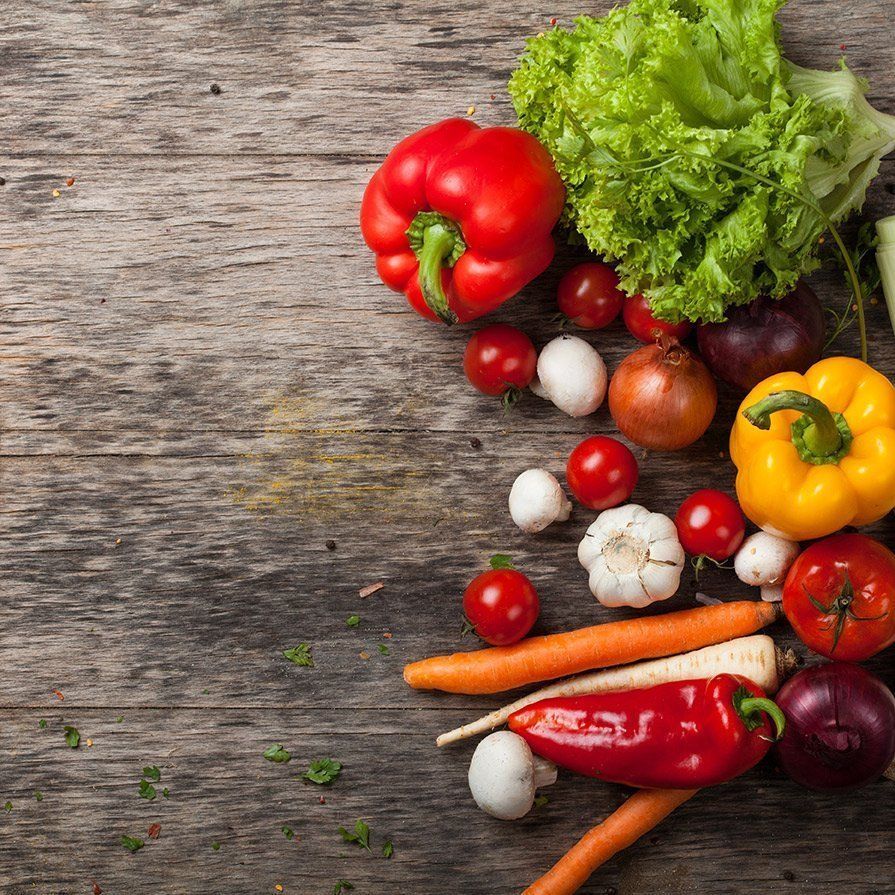
Food is meant to nourish, energize, and protect our bodies. Yet for many people, eating has become increasingly associated with fatigue, digestive discomfort, inflammation, weight gain, and chronic disease. While no single food is responsible for every health issue, many experts agree that the modern food environment plays a significant role in our overall well-being. So, is our food making us ill? The answer isn't as simple as yes or no—but what we eat, how it's produced, and how often we consume highly processed foods can have a profound impact on our health. The Rise of Chronic Disease Over the past several decades, rates of obesity, type 2 diabetes, heart disease, and certain autoimmune and inflammatory conditions have increased dramatically. While genetics, physical activity, stress, sleep, and environmental factors all contribute, diet is one of the most important—and modifiable—pieces of the puzzle. Many modern diets are high in calories but low in essential nutrients, leaving people overfed yet undernourished. The Problem with Ultra-Processed Foods Ultra-processed foods are products that have been heavily altered from their original form and often contain added sugars, refined grains, unhealthy fats, artificial flavors, preservatives, and other additives. Examples include sugary breakfast cereals, packaged snack foods, fast food, processed meats, and many frozen convenience meals. These foods are designed to be convenient and appealing, but eating them frequently has been associated with an increased risk of: Obesity Type 2 diabetes Cardiovascular disease High blood pressure Certain cancers Poor gut health While enjoying processed foods occasionally is part of many healthy diets, relying on them as dietary staples can make it more difficult to meet your body's nutritional needs. Hidden Sugar Is Everywhere Many people know to limit desserts and soft drinks, but added sugars also appear in foods that don't taste particularly sweet, including salad dressings, sauces, flavored yogurts, breads, and packaged snacks. Consistently consuming high amounts of added sugar may contribute to: Blood sugar spikes and crashes Increased hunger and cravings Weight gain Fatty liver disease Increased inflammation Greater risk of type 2 diabetes Reading nutrition labels can help you identify hidden sources of added sugar and make more informed choices. Are Food Additives a Concern? Food additives serve many purposes, from preserving freshness to improving texture and flavor. Many approved additives have been evaluated for safety when consumed within established limits. However, researchers continue to study how some additives may affect certain individuals, particularly in relation to gut health, food sensitivities, or long-term health outcomes. For some people, reducing highly processed foods and choosing minimally processed alternatives may improve digestive symptoms or overall well-being, though responses vary from person to person. The Gut-Health Connection Your digestive tract is home to trillions of bacteria that help digest food, produce certain vitamins, support your immune system, and influence overall health. A diet rich in fruits, vegetables, legumes, whole grains, nuts, seeds, and fermented foods can support a diverse and healthy gut microbiome. In contrast, diets consistently high in ultra-processed foods and low in fiber may negatively affect the balance of gut bacteria. While research in this area is ongoing, maintaining a healthy gut is increasingly recognized as an important part of overall wellness. Nutrient Quality Matters Not all calories are created equal. A meal of vegetables, lean protein, healthy fats, and whole grains provides vitamins, minerals, fiber, and antioxidants that support your body's normal functions. By comparison, foods high in added sugars and refined carbohydrates may provide energy but relatively few essential nutrients. Choosing nutrient-dense foods more often can support: Steadier energy levels Better immune function Healthy digestion Heart health Weight management Overall well-being Small Changes Can Make a Big Difference Improving your diet doesn't require perfection. Sustainable habits often have the greatest long-term impact. Consider these simple strategies: Fill half your plate with fruits and vegetables. Choose whole grains instead of refined grains when possible. Include lean proteins and healthy fats at meals. Read ingredient lists and nutrition labels. Drink water instead of sugar-sweetened beverages more often. Prepare more meals at home using fresh ingredients. Enjoy highly processed foods in moderation rather than as everyday staples. Small, consistent choices can add up over time. A Balanced Perspective It's important to avoid thinking of foods as strictly "good" or "bad." Health is influenced by your overall eating pattern, physical activity, sleep, stress management, genetics, and access to nutritious foods—not by a single meal or ingredient. Rather than striving for a perfect diet, focus on building balanced habits that are realistic and sustainable for your lifestyle. Nourish Your Body for Better Health Our food choices matter, but they are just one part of a much larger picture. By emphasizing whole, nutrient-rich foods and limiting ultra-processed options when possible, you can support your body's natural ability to function at its best. If you're struggling with digestive issues, inflammation, fatigue, or other nutrition-related concerns, speaking with a healthcare professional or registered dietitian can help you identify dietary changes that fit your individual needs and health goals. Remember, every healthy meal is an opportunity to invest in your long-term well-being. So, if you would like to learn more about how to achieve your health goals with better nutrition, call Whole Family Healthcare at 407-644-2990 and schedule a consultation today!

July 15, 2026
When most people think of acupuncture, they often picture treatments designed to relieve pain, reduce stress, or support overall wellness. However, acupuncture has also gained popularity in the world of beauty and skincare through a treatment known as cosmetic acupuncture or facial acupuncture . Cosmetic acupuncture is a natural, non-surgical approach that focuses on improving the appearance of the skin while supporting overall wellness. By using very fine needles placed at specific points on the face and body, this treatment aims to encourage circulation, stimulate the skin, and promote a healthier, more refreshed appearance. If you are looking for an alternative to invasive cosmetic procedures, cosmetic acupuncture may be an option worth exploring. What Is Cosmetic Acupuncture? Cosmetic acupuncture is a specialized form of traditional acupuncture that focuses on facial rejuvenation and skin health. During treatment, an experienced practitioner inserts ultra-thin needles into targeted areas of the face and body. Unlike cosmetic procedures that involve injections, surgery, or fillers, cosmetic acupuncture works by stimulating the body’s natural processes. The goal is to support collagen production, improve circulation, and enhance the overall appearance of the skin. A typical session may involve: A consultation to discuss your skin concerns and goals Facial acupuncture using fine needles placed in specific areas Body acupuncture points that support overall balance and wellness Additional skincare techniques depending on your treatment plan Cosmetic acupuncture is often chosen by people who want a more natural approach to maintaining youthful-looking skin. How Does Cosmetic Acupuncture Work? As we age, several changes naturally occur in our skin. Collagen and elastin production decrease, circulation may slow, and the skin can lose some of its firmness and radiance. Cosmetic acupuncture is designed to stimulate the skin by creating tiny, controlled micro-injuries with acupuncture needles. This process may encourage the body’s natural healing response, which can support skin renewal. Improved circulation may also help deliver oxygen and nutrients to skin cells, contributing to a healthier complexion. Many practitioners believe that facial acupuncture works from both the inside and outside by addressing skin concerns while also supporting relaxation and overall well-being. Benefits of Cosmetic Acupuncture While results can vary from person to person, many people choose cosmetic acupuncture for its potential skin and wellness benefits. May Improve Skin Tone and Radiance One of the most common reasons people try cosmetic acupuncture is to achieve a brighter, healthier-looking complexion. By encouraging circulation and stimulating the skin, cosmetic acupuncture may help improve dullness and promote a more refreshed appearance. Many patients describe their skin as looking: More vibrant Healthier More refreshed Naturally glowing May Reduce the Appearance of Fine Lines Cosmetic acupuncture is often used as part of an anti-aging skincare routine. The stimulation created during treatment may support collagen activity, which plays an important role in maintaining skin firmness and elasticity. Over time, this may help soften the appearance of fine lines and improve overall skin texture. Supports Firmer-Looking Skin Loss of collagen and elasticity can contribute to changes in facial appearance as we age. Cosmetic acupuncture may help stimulate the skin’s natural repair processes, supporting a firmer and more toned appearance. It is often used around areas where people commonly notice signs of aging, including: Forehead lines Crow’s feet Smile lines Jawline and cheek areas May Reduce Facial Tension Stress and muscle tension can contribute to a tired appearance. Many people hold tension in areas such as the jaw, forehead, and around the eyes. Cosmetic acupuncture may help promote relaxation by targeting areas of facial tension. Some patients report feeling more relaxed and refreshed after their treatments. Non-Surgical and Minimally Invasive One of the biggest appeals of cosmetic acupuncture is that it does not require surgery, injections, or downtime. Compared with more invasive cosmetic treatments, acupuncture offers a gentle approach that may appeal to individuals who want subtle, natural-looking improvements. Most people can return to normal activities after treatment, although some temporary redness, sensitivity, or small marks at needle sites may occur. Supports Overall Wellness Traditional acupuncture is based on the idea that supporting overall balance can positively affect health and appearance. Many people enjoy cosmetic acupuncture not only for skin benefits but also for its relaxing effects. Some patients report improvements in: Stress levels Relaxation Sleep quality Overall sense of well-being How Many Cosmetic Acupuncture Treatments Are Needed? The number of treatments needed depends on your goals, skin concerns, and individual response. Some people notice changes after a few sessions, while others choose a longer treatment plan to support ongoing skin health. Many practitioners recommend a series of treatments followed by maintenance sessions. During an initial consultation, your provider can discuss what to expect and create a personalized plan based on your needs. Is Cosmetic Acupuncture Safe? When performed by a trained and qualified acupuncture professional, cosmetic acupuncture is generally considered safe for many individuals. Because treatment involves needles, it is important to choose an experienced provider who follows proper sterilization and safety practices. Before beginning treatment, discuss your health history, medications, and any concerns with your practitioner. Cosmetic acupuncture may not be appropriate for everyone, including certain individuals with specific medical conditions or skin concerns. How Is Cosmetic Acupuncture Different From Botox or Fillers? Cosmetic acupuncture and injectable treatments work in different ways. Botox temporarily relaxes certain facial muscles to reduce the appearance of wrinkles caused by movement. Dermal fillers add volume beneath the skin to restore fullness or enhance facial contours. Cosmetic acupuncture focuses on stimulating the body’s natural processes and improving the overall appearance of the skin without adding substances beneath the skin. Some people choose cosmetic acupuncture because they prefer a more natural, gradual approach, while others may combine different treatments as part of a comprehensive skincare plan. Is Cosmetic Acupuncture Right for You? Cosmetic acupuncture may be a good option if you are interested in: A natural approach to skin rejuvenation Improving skin tone and texture Supporting a youthful appearance Reducing facial tension A non-surgical beauty treatment However, expectations are important. Cosmetic acupuncture is not designed to create dramatic changes like surgical procedures or injectable treatments. Instead, many people choose it for subtle improvements and a refreshed, healthy appearance. Cosmetic acupuncture offers a unique approach to skincare by combining traditional acupuncture techniques with modern beauty goals. By supporting circulation, encouraging the body’s natural healing response, and promoting relaxation, it may help improve the appearance of the skin while enhancing overall wellness. If you are interested in exploring cosmetic acupuncture, call Whole Family Healthcare at 407-644-2990 and consult with a qualified practitioner who can evaluate your goals and recommend a treatment approach tailored to your needs.
May 30, 2026
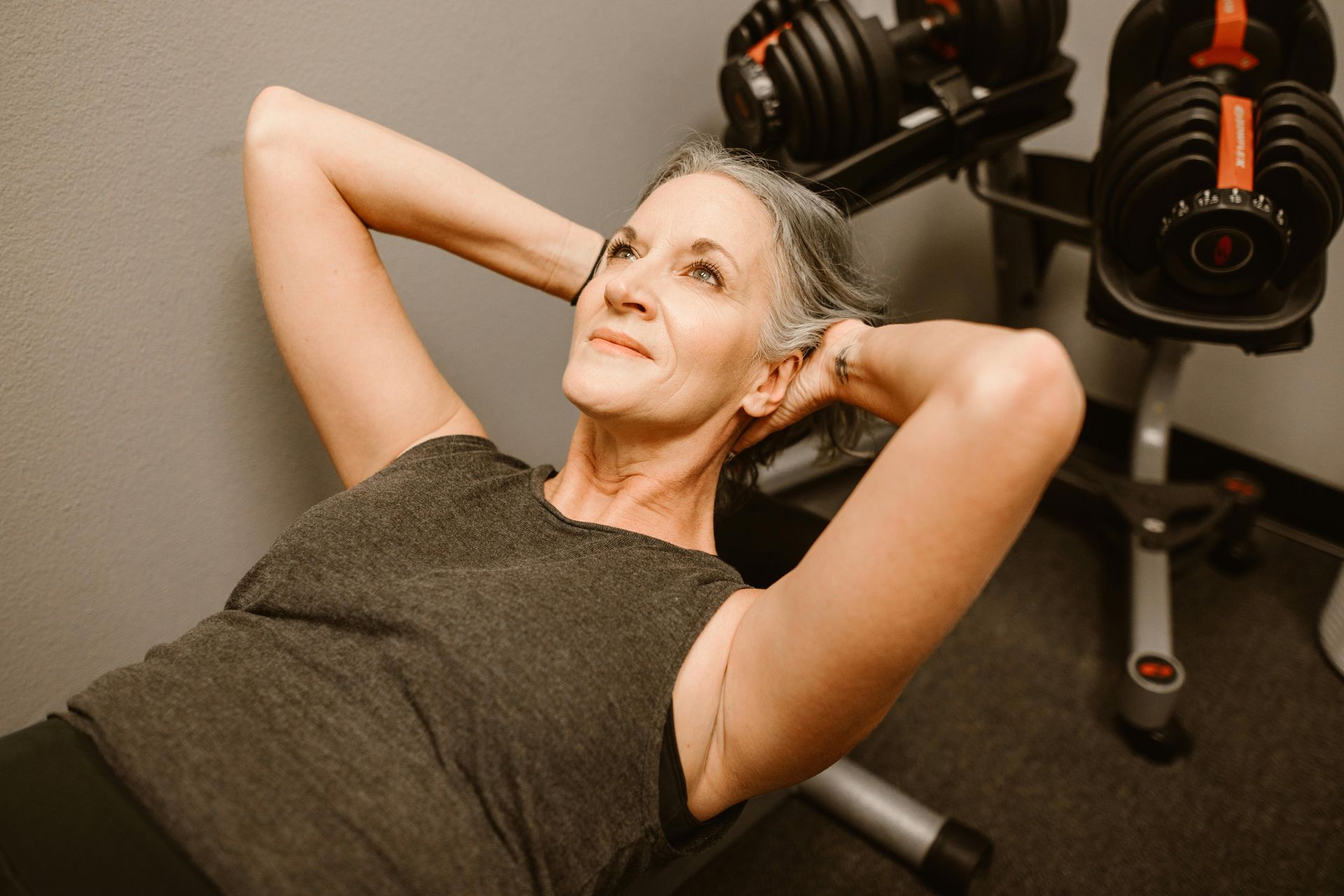
Many women notice that maintaining their weight becomes more challenging during menopause. Even if your diet and exercise habits haven't changed, the number on the scale may start creeping upward. While menopausal weight gain is common, it is not inevitable. Understanding why it happens and taking a proactive approach can help you maintain a healthy weight and feel your best during this transition. Why Does Weight Gain Happen During Menopause? Several factors contribute to weight gain during menopause: Hormonal Changes As estrogen levels decline, the body tends to store more fat around the abdomen rather than the hips and thighs. This shift in fat distribution can make weight gain more noticeable, even when total body weight changes only slightly. Slower Metabolism Metabolism naturally slows with age, meaning your body burns fewer calories at rest than it did in your younger years. This makes it easier to gain weight and harder to lose it. Loss of Muscle Mass Women lose muscle mass as they age, especially if they are not engaging in regular strength training. Since muscle burns more calories than fat, losing muscle can further reduce metabolism. Sleep Disturbances Hot flashes, night sweats, and insomnia can interfere with sleep quality. Poor sleep has been linked to increased hunger, food cravings, and weight gain. Strategies to Prevent Menopausal Weight Gain Prioritize Protein Protein helps preserve lean muscle mass, supports metabolism, and promotes feelings of fullness. Aim to include a source of protein with every meal and snack. Good options include: Fish Chicken and turkey Eggs Greek yogurt Beans and lentils Tofu Strength Train Regularly Resistance training is one of the most effective ways to maintain muscle mass and support a healthy metabolism. Even two to three sessions per week can make a significant difference. Examples include: Free weights Resistance bands Bodyweight exercises Strength-training machines Stay Physically Active In addition to strength training, regular cardiovascular exercise helps burn calories and supports heart health. Walking, cycling, swimming, and dancing are excellent choices. Aim for at least 150 minutes of moderate physical activity each week. Focus on Whole Foods A diet rich in nutrient-dense foods can help manage hunger and support overall health. Choose more: Vegetables Fruits Whole grains Lean proteins Healthy fats Limit: Sugary beverages Processed snacks Excess alcohol Highly refined carbohydrates Improve Sleep Quality Getting adequate sleep can help regulate hormones that influence appetite and metabolism. To improve sleep: Maintain a consistent bedtime Limit caffeine later in the day Keep your bedroom cool and comfortable Avoid screens before bedtime Manage Stress Chronic stress can increase cortisol levels, which may contribute to abdominal weight gain and cravings for high-calorie foods. Helpful stress-management techniques include: Meditation Yoga Deep breathing exercises Spending time outdoors Regular physical activity When Lifestyle Changes Aren't Enough For some women, menopause-related weight gain can be particularly difficult to manage despite healthy habits. Medical evaluation may help identify contributing factors such as thyroid disorders, insulin resistance, sleep disorders, or other hormonal changes. In certain cases, medically supervised weight management programs, nutrition counseling, hormone therapy, or weight-loss medications may be appropriate options. The Bottom Line Menopause can make weight management more challenging, but it doesn't have to define your health or confidence. By focusing on nutrition, strength training, sleep, stress management, and regular physical activity, many women can successfully maintain a healthy weight throughout menopause and beyond. If you're struggling with menopausal weight gain, speaking with a healthcare provider can help you develop a personalized plan that fits your goals, lifestyle, and overall health. Come see us at Whole Family Healthcare where we have physician-supervised weight loss programs that are comprehensive and individualized to your specific needs. Call us at 407-644-2990 and set up your consultation today!
Schedule a Consultation
Thank you for contacting us.
We will get back to you as soon as possible.
We will get back to you as soon as possible.
Oops, there was an error sending your message.
Please try again later.
Please try again later.
Winter Park Location
407-644-2990
807 W. Morse Blvd Ste 200
Winter Park, Florida 32789
Office Hours
Monday 10:00 – 5:00
Tuesday 9:00 – 5:00
Wednesday 9:00 – 5:00
Thursday 9:00 – 5:00
Friday 9:00 – 2:00
Lake Mary Location
407-833-6300
156 N. 4th Street, Suite 1480
Lake Mary, FL 32746
Office Hours
Monday - 10:00 - 5:00
Tuesday 9:00 – 5:00
Wednesday 9:00 – 5:00
Thursday 9:00 – 5:00
Friday 9:30 - 2:00
THIS WEBSITE USES COOKIES.
We use cookies to analyze website traffic and optimize your website experience. By accepting our use of cookies, your data will be aggregated with all other user data.